
Green Tea
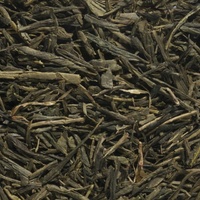

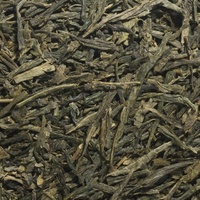


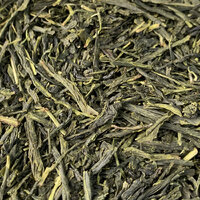

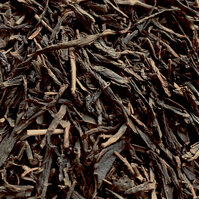
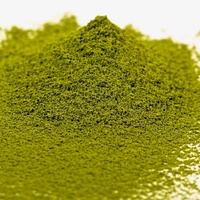
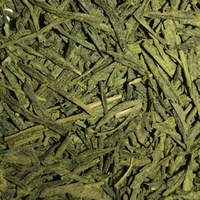


Traditionally, Eastern cultures consume more green tea.
Green tea is sought after for its health benefits; partly due to tea scientists who, for the past decade, have been researching EGCG, a powerful antioxidant. With the worldwide increase in demand, every major tea-growing country now produces green tea.
15% of tea consumption is green tea; It’s growth is outpacing all other forms of tea, however, with 60% more volume consumed since 2004.
Be aware that brewing with boiling water will create bitterness. Follow our guide notes Your best brew "cuppa", on the Home page, to avoid the common errors of green tea drinking.
A good selection might include green teas from China and Japan:
Gunpowder Resembles small, round, yellow-green pellets; the tea leaves are hand-plucked and hand-rolled to resemble their namesake. This earthy Chinese tea is a global favourite.
Sencha This is the most popular Japanese tea; however, the growing worldwide demand for Sencha has prompted Chinese gardens to produce it also. The long, flat, emerald-green leaves make a light, golden-yellow liquor with a distinct aroma and flavor reminiscent of freshly mown grass. Tea harvest is now done mechanically.
Longjing (Lung Ching) Originating in the Chinese town of Dragon Well, the best grade is made of only the bud and one new leaf. It is not rolled but left in its natural pointed form. The clean, well-balanced aroma suggests freshly cut grass and toasted chestnuts.
------------
Delicious and nourishing green tea.
Our expertise and passion for tea will give you confidence to experience new Green tea styles and flavour profiles.
We offer free delivery on our products when orders are over $75.00!
What are green tea benefits?
Green tea has been used for centuries in a vast array of cultures and it’s benefits have been documented by history and modern science. All types of tea are rich in a natural compound called polyphenols. These help with inflammation reduction and green tea contains a natural antioxidant that can help prevent cell damage. The following are some of the benefits that can come with drinking green tea!
- Improved brain function.
- Gives your metabolism a boost.
- May help reduce the risk of some cancers.
- Could help slow the brain ageing process.
- Reduces bad breath.
- May help reduce the risk of diabetes type 2.
- May help prevent cardiovascular diseases.
- Can help with weight loss.
- Helps to reduce inflammation.
What is the best time to drink green tea?
Green tea leaves can be enjoyed during all times of the day! If you are wanting to maximise nutrient intake and iron absorption however , two hours before or after meals are optimal times. You can also drink green tea before exercise to increase energy and to burn more fat. Make sure to drink your green tea no more than two hours before bed time, as green tea contains low levels of caffeine and it may affect your sleep.
Is it good to drink green tea every day?
Just like anything else we eat and drink, green tea is best in moderation. There has been a wide range of studies done on green tea and it’s different benefits, some studies have found that those who drank between two to six cups of green tea benefited cardiovascularly, cognitively and with weight loss.
However, due to the caffeine in green tea drinking an excess of tea every day isn’t recommended, Drinking an excess of green tea can also lead to iron deficiency and diarrhoea. Make sure to consult your general practitioner if you have any questions about changes to your diet.
Can green tea reduce belly fat?
One of green tea’s benefits is its ability to boost your metabolism and to reduce inflammation. Drinking green tea regularly can reduce the body fat up to 19 per cent when it is combined with a healthy diet and regular exercise. One of the catechins in green tea, known as Epigallocatechin gallate (EGCG) is responsible for the boost to your metabolism, enabling faster weight loss.
How much weight can be lost by drinking green tea?
Drinking green tea has shown to assist weight loss when combined with a healthy diet and regular exercise. To see the best results for weight loss, it’s recommended to drink between 2- 5 cups of tea. This can lead to an output of 100 calories in a 24 hour period.
What is the best time to drink green tea for weight loss?
If you are drinking green tea for it’s potential weight loss properties after your meals and in the morning are suggested time frames to plan your tea drinking! However, if you are sensitive to caffeine it is suggested not to drink green tea less than two hours before you go to sleep.